Lofoten Islands
Norway, Europe
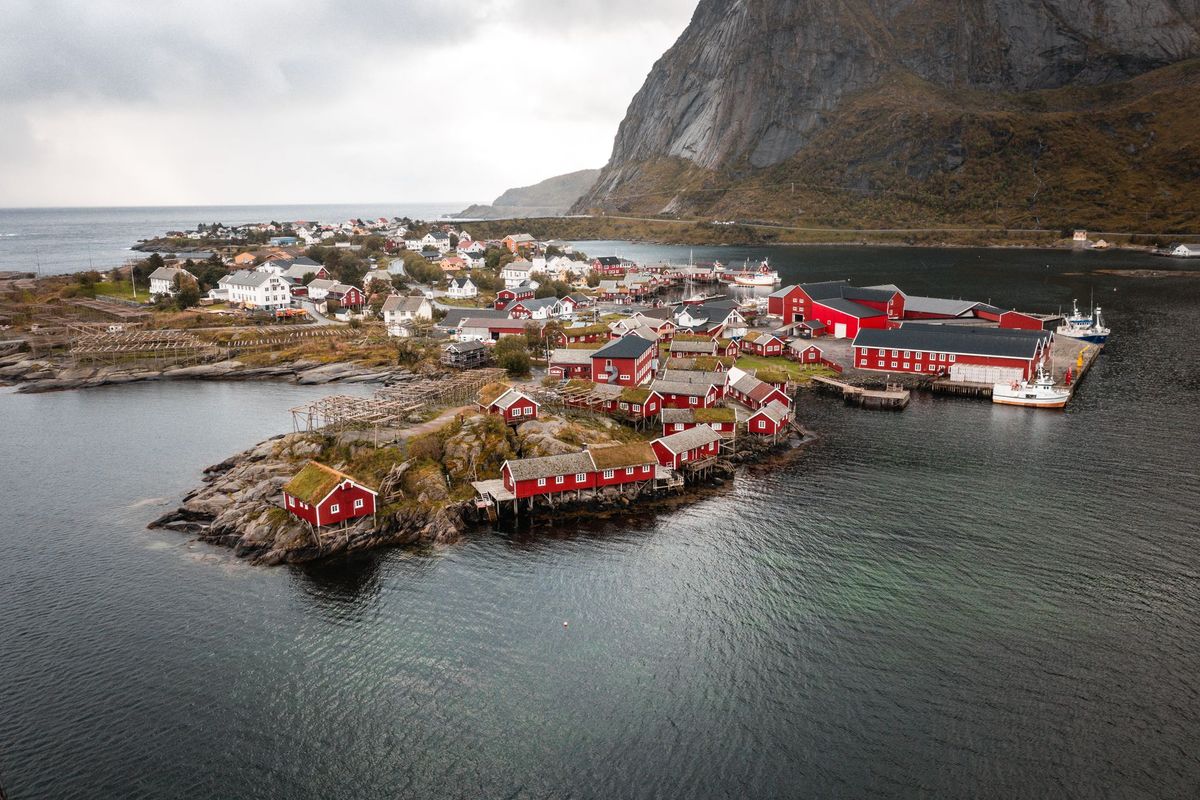
Mountains that fall into the sea, with fishing huts on the way down.
You come around a bend on the E10 and the road just ends at water, with jagged peaks rising straight out of the fjord like someone snapped them off and forgot to smooth the edges. The fishing villages, red and yellow wooden rorbu cabins on stilts, look like a painting someone was careless enough to make real. In winter, the northern lights occasionally flood the whole thing in green.
Our honest take
Lofoten is genuinely one of the most dramatic landscapes in Europe, and it knows it. Accommodation is overpriced, roads are single-lane and unforgiving in winter, and summer crowds have discovered every viewpoint. Come in late August or early September, shoulder prices, fewer people, real chance of aurora.
Why go
- The hike up Reinebringen at dawn puts you above the clouds with the entire Reinefjord below, a 90-minute climb that makes no attempt to be gentle
- Renting a rorbu cabin, a converted fisherman's boathouse on stilts over the water, is the only correct way to sleep here
- Haukland Beach in June: white sand, 15°C water if you're brave, and mountains behind you that belong in a different ecosystem entirely
Skip if you can
- Svolvær town itself, it's the main hub but mostly just a logistics stop with a harbour; don't spend more than half a day there
- Driving the E10 in January without winter tyre experience, the road is ploughed but bridges get icy fast and rental cars come with liability surprises
- The most-photographed Reine viewpoint in July after 10am, it becomes a queue for a tripod spot, not a landscape experience
Things to do
Where locals eat
Cod air-dried on wooden racks in the Arctic wind, Lofoten's defining product for centuries. The drying racks are part of the landscape.
Børsen Spiseri in Svolvær (an 1828 quayside warehouse, stockfish a specialty) or Fiskekrogen on the Henningsvær harbour
The migratory winter cod that returns to Lofoten Jan to Apr, served simply poached with liver and roe. A genuine seasonal event, not a year-round item.
A seafood restaurant during the Jan to Apr Skrei season
Salt cod stewed with tomato, potato, onion, and olive oil, a Norwegian adaptation tied to the stockfish trade.
A village restaurant serving local seafood
A large cardamom-scented cinnamon bun with strong coffee, the standard Norwegian café break, welcome in the cold.
A bakery-café in Svolvær or Reine
Costs
Per person, per day on the ground, lodging, food, local transport and activities. Excludes international flights (see Getting there).
Rorbu cabin: 1500-3500 NOK/night ($140-330). Dinner at a local restaurant: 300-500 NOK ($28-47). Supermarket self-catering saves significantly, stock up in Svolvær.
Getting there
Where to stay
The most scenic base, closest to Reinebringen and southern beaches, rorbu cabins on the water
Active fishing village with cafes and a football pitch on a rock formation, good middle-ground location
Most practical, supermarkets, services, ferry terminal, but lacks the scenic drama of villages further west
Good to know
- Mountain weather changes in under an hour, carry rain gear and a layer even on sunny starts
- Reinebringen and other steep trails have exposed sections with loose rock; proper footwear matters
- Winter driving requires genuine experience with black ice; check Vegvesen road conditions (vegvesen.no) daily
- Northern lights forecasts are unreliable, check spaceweather.com and accept that cloud cover often wins
Prices, visa rules, and transport details may change. Always verify with official sources before booking. Last updated: July 2026.
Reviews
No reviews yet
Visited Lofoten Islands? Be the first to share your experience.