Leh-Ladakh
India, Asia
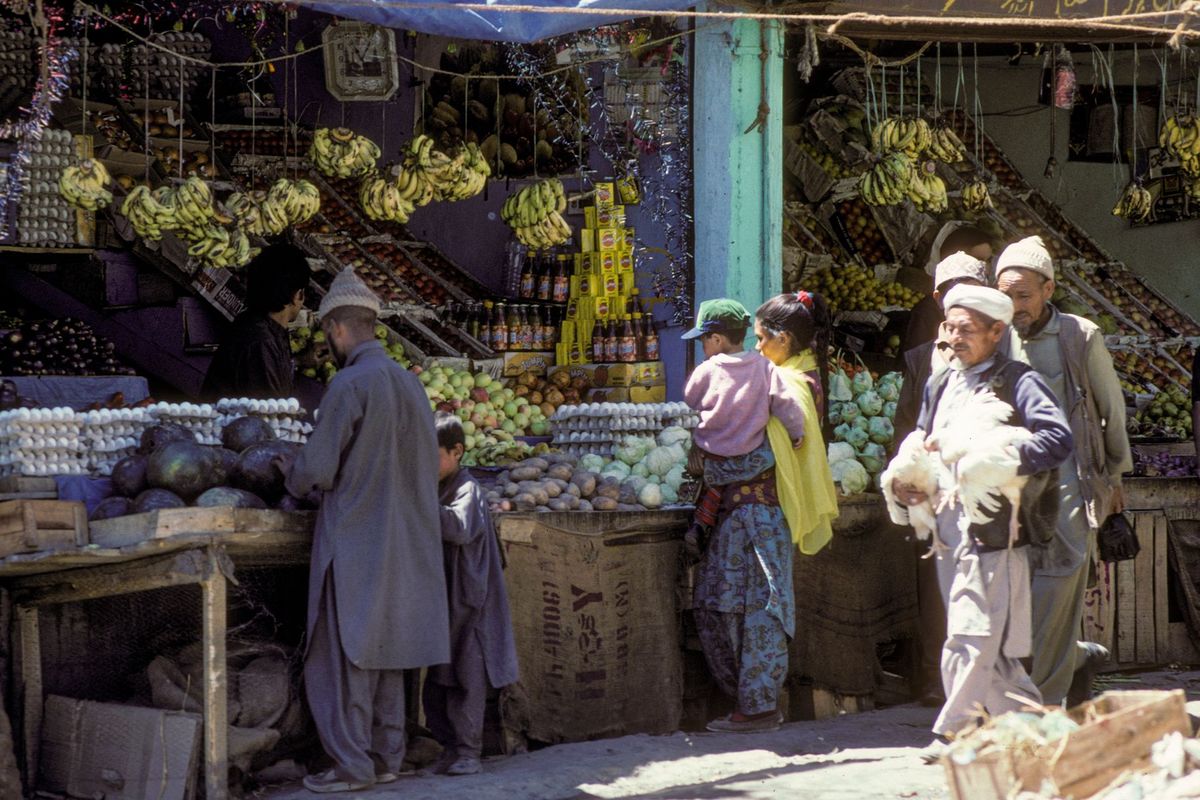
Buddhist monasteries, impossible roads, and very thin air.
The air is noticeably thinner the moment you step off the plane, most people need a day just lying down before they can walk uphill without seeing spots. Leh sits at 3,500 metres in a high-altitude desert that looks borrowed from Central Asia: monasteries balanced on crumbling ridgelines, poplars lining irrigation channels cut through barren rock, and a sky so dark at night that the Milky Way feels architectural.
Our honest take
Altitude sickness is not optional to consider, it's the trip's most significant variable. Most visitors lose the first two days to acclimatisation headaches, and some go home early. The landscape is extraordinary and the monasteries are genuinely living places, not museums. Don't rush the altitude. Everything else can be figured out.
Why go
- Thiksey Monastery at 6am, monks in burgundy robes, butter lamps, chanting that vibrates in your chest, and almost no other tourists that early
- Pangong Tso stretches 134km into Tibet and changes colour by the hour, camp on the shore overnight to see both sunrise and sunset on the same water
- The Manali-Leh Highway is 479km of river valleys, scree passes, and road signs that say things like 'Be Gentle on My Curves', riding it on a motorcycle is a legitimate bucket list item for the kind of people who hate that phrase
Skip if you can
- Khardung La Peak photo stops, the 'world's highest motorable road' claim is disputed, the summit is a chai stall and a crowd of selfie sticks, and the altitude makes it feel worse than it looks
- Shanti Stupa at midday in peak July, good stupa, but 300 steps in the midday sun at 3,500m with a tour bus crowd is a particular kind of unpleasant
- Cheap package tours that promise Pangong, Nubra, and a pass in three days, you'll spend most of it nauseous in a shared SUV
Things to do
Where locals eat
A warming Tibetan-style noodle soup with vegetables and meat, welcome fuel at high altitude in Ladakh's cold, thin air.
The Tibetan Kitchen in central Leh, reliable for thukpa, momos, and Ladakhi skyu
Steamed dumplings, Tibetan in origin and ubiquitous across Ladakh, filled with vegetables or mutton.
A momo stall in Leh market
Ladakhi pasta stews, thumb-pressed wheat dough (skyu) or bow-tie pasta (chutagi) simmered with root vegetables. Hearty mountain home cooking, rarely on tourist menus.
A homestay or traditional Ladakhi kitchen
Salty tea churned with yak butter, an acquired taste, but a genuine Ladakhi staple that helps against the cold and altitude.
A homestay or Ladakhi household-style café
Costs
Per person, per day on the ground, lodging, food, local transport and activities. Excludes international flights (see Getting there).
Thali meal at local dhaba: ₹150-250 ($1.80-3). Monastery entry: ₹30-100 ($0.40-1.20). Private SUV day hire: ₹3,500-6,000 ($42-72). Camping at Pangong: ₹1,500-3,000 ($18-36) per person including meals.
Getting there
Where to stay
Guesthouses in Ladakhi family homes, rooftop views of the palace, walking distance to bazaar and restaurants
More hotels, reliable hot water, easier logistics, less atmosphere, good for base camp between excursions
Fixed tented camps on the lakeshore or sand dunes, cold at night, no frills, the entire point of being there
Good to know
- Altitude sickness is real and can be dangerous, spend two full days in Leh doing nothing strenuous before heading higher, drink water constantly, and descend immediately if symptoms worsen
- Acetazolamide (Diamox) helps some people acclimatise faster, consult a doctor before travel, not upon arrival
- Mobile data is unreliable outside Leh town; BSNL SIM works better than other networks in remote areas, buy one on arrival
- Roads to passes can close without warning due to landslides or snow even in summer, build buffer days into your itinerary or you will miss a flight home
Prices, visa rules, and transport details may change. Always verify with official sources before booking. Last updated: July 2026.
Reviews
No reviews yet
Visited Leh-Ladakh? Be the first to share your experience.