Budapest
Hungary, Europe
Two cities, one river, and thermal water under everything.
The Danube splits the city in half and at night both banks glow, the parliament building lit gold on the Pest side, Buda Castle floating above the river like something left over from a grander era. Budapest smells like chimney cake and cigarette smoke near the ruin bars, and every third building is either crumbling beautifully or mid-renovation. It is the most dramatic city in Central Europe and it knows it.
Our honest take
Budapest punches above its weight on architecture, food, and nightlife at a price that still makes Western Europeans wince with envy. The stag party tourism is real and concentrated in the Jewish Quarter on weekends, it can be grim. Come on a Tuesday and the ruin bars belong to locals again.
Why go
- Széchenyi Baths on a cold October morning, you're neck-deep in 38°C geothermal water watching steam rise over neo-baroque domes, and it costs 8,600 HUF ($23)
- The view from Fisherman's Bastion at 7am before the tour groups arrive, parliament across the river, the Danube bridge traffic just starting, total quiet
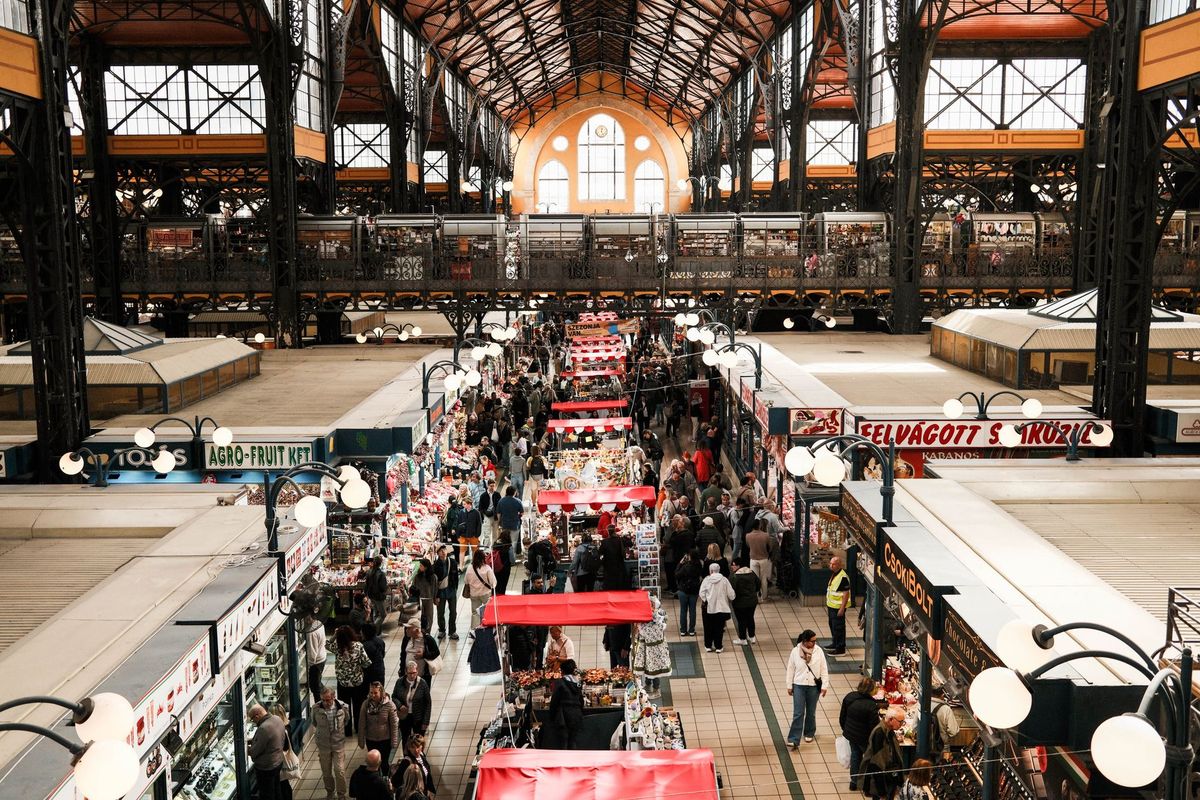
- Lángos from the Great Market Hall upper floor, deep-fried dough with sour cream and cheese for 1,200 HUF ($3.30), eaten standing up
Skip if you can
- Szimpla Kert on a Friday or Saturday night in summer, overwhelmed by tourists, barely functional as a bar. Go on a Wednesday or visit the Sunday farmers market instead.
- The Budapest Eye ferris wheel on Deák Square, expensive, short, and the views are blocked by surrounding buildings. Walk to Gellért Hill instead.
- Hop-on-hop-off bus tours, the city is walkable and the bus blocks the streets it claims to show you. Use the metro and your feet.
Things to do
Where locals eat
Deep-fried flatbread topped with sour cream and grated cheese (garlic optional), market and street food, filling and cheap.
A lángos stall on the upper floor of the Great Market Hall (Nagyvásárcsarnok), Fővám tér
In Hungary this is a paprika-rich beef-and-potato SOUP, not the thick stew served abroad. Eaten as a starter or light meal.
A traditional étterem away from the main tourist streets
Chicken in a paprika-sour-cream sauce served with nokedli (small dumplings), a Hungarian home-cooking classic.
A traditional Hungarian restaurant
Spit-wound dough rolled in sugar and roasted so it caramelises, genuinely from the Transylvanian-Hungarian region, unlike some lookalikes elsewhere.
A dedicated chimney-cake stall
Costs
Per person, per day on the ground, lodging, food, local transport and activities. Excludes international flights (see Getting there).
Széchenyi Baths entry: 8,600 HUF ($23). Sit-down lunch in Pest: 3,500-5,500 HUF ($9-15). Craft beer at a ruin bar: 900-1,400 HUF ($2.50-3.80). Parliament tour: 8,000 HUF ($22).
Getting there
Where to stay
Ruin bars outside, good transport links, noisiest on weekends, bring earplugs or embrace it
Central Pest, parliament nearby, walkable everywhere, slightly sterile but convenient
Quieter, residential feel, Castle District access, 10-minute tram to Pest action
Good to know
- Bolt app for taxis, unlicensed street taxis outside the airport and train stations overcharge by 5-10x
- Pickpocketing on tram 4-6 and at Keleti train station is common, bags to the front in crowds
- The Danube floods in spring, check river levels if staying near the embankment
- Some ruin bar areas get loud and rowdy after midnight on weekends, not dangerous, just chaotic
Prices, visa rules, and transport details may change. Always verify with official sources before booking. Last updated: July 2026.