Luxor
Egypt, Africa
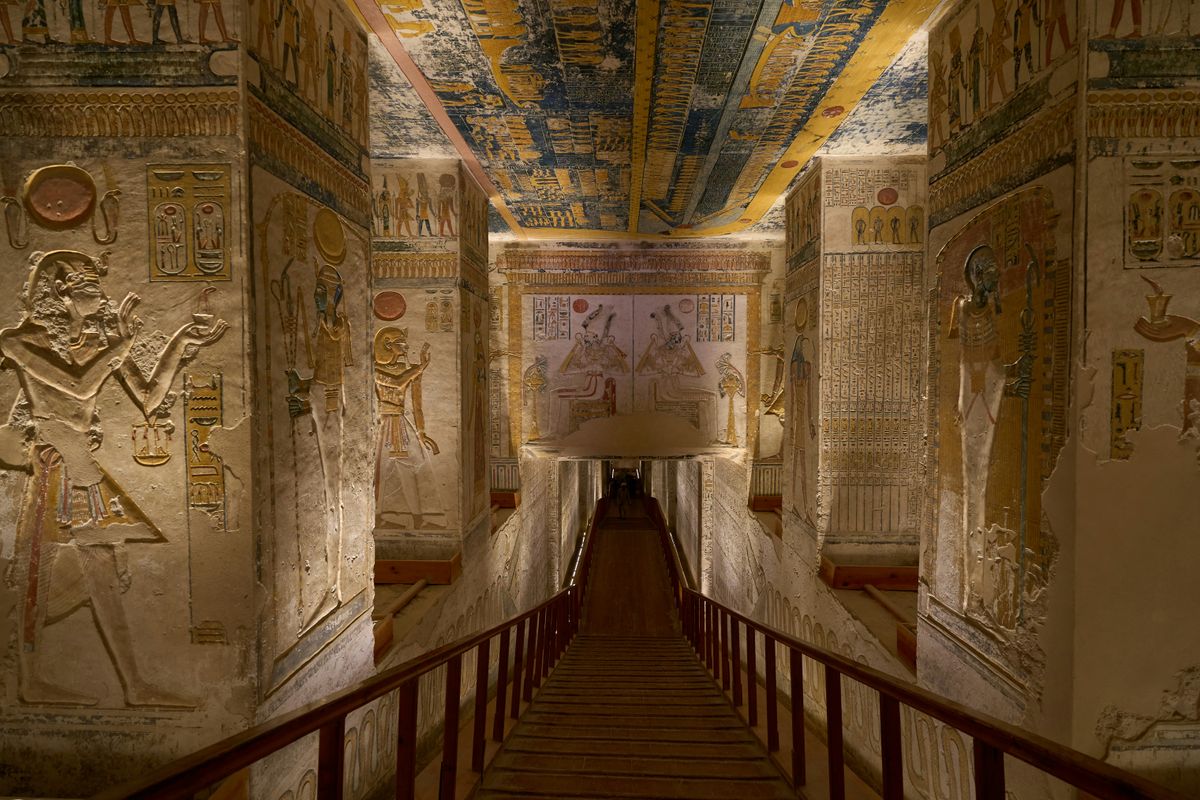
Three thousand years of monuments in a city that still lives among them.
The heat lands on you before you leave the airport. By the time you reach the Karnak temple complex, columns wider than a car is long, carved with hieroglyphs that still hold paint after 3,000 years, the scale of the place becomes almost difficult to process. Luxor is an open-air museum that hasn't been cleaned up or sanitised; donkey carts share the road with tourist coaches, and the smell of the Nile drifts through everything.
Our honest take
Luxor has more ancient monuments per square kilometre than anywhere on Earth, and the persistent tout culture will test your patience within hours of arrival. Hire a private guide for the Valley of the Kings, the context turns good photos into actual understanding. Summer is genuinely dangerous heat.
Why go
- Valley of the Kings at 6am, before the first tour buses arrive, tomb paintings so vivid you forget they're original, not reconstructed
- Karnak's Hypostyle Hall is 134 columns packed together like a stone forest, no photo prepares you for standing inside it
- Hot air balloon over the West Bank at sunrise costs around 1,500 EGP (~$30) and gives you the West Bank necropolis spread below you in the early light
Skip if you can
- The Karnak sound and light show, overpriced at 300 EGP ($6) for narration that adds nothing you didn't read on the temple walls
- Calèche (horse carriage) rides along the Corniche, the animals are poorly treated and it's slower than walking
- Rushed single-day Nile cruise stopovers, you get shepherded through Karnak in 90 minutes and understand nothing; stay independently
Things to do
Where locals eat
Not the Moroccan tagine, the Egyptian tagen is a stew (okra, meat, or seafood in tomato) baked in an individual clay pot, common in Upper Egypt. Hearty and homely.
Sofra Restaurant in Luxor, set in a 1930s Egyptian house serving traditional Upper-Egyptian dishes
Pigeon stuffed with spiced freekeh or rice, a genuine Upper Egyptian specialty, more common here than in tourist Cairo. An acquired taste worth trying.
A traditional Luxor restaurant
The Egyptian staples, koshari (the rice-lentil-pasta bowl) and ful for breakfast, are the reliable, cheap Luxor meals.
A koshari shop or ful cart in Luxor
A flaky, many-layered Egyptian 'pancake pastry' served sweet with honey or savoury with cheese, often called Egyptian pizza. A village-style treat.
A feteer bakery
Costs
Per person, per day on the ground, lodging, food, local transport and activities. Excludes international flights (see Getting there).
Valley of the Kings entry: 480 EGP (~$10), individual tombs extra (Tutankhamun: 400 EGP extra). Karnak: 450 EGP (~$9). Full meal at a local restaurant: 150-250 EGP ($3-5).
Getting there
Where to stay
Walking distance to Luxor Temple, most restaurants, easiest logistics
Quieter, local village feel, closer to Valley of the Kings, requires a ferry or bridge to reach the East Bank
Nile views, rooftop pools, the only real relief from summer heat, steep markup for the view
Good to know
- Heat stroke is a real risk May-September, temperatures regularly exceed 42°C; carry water constantly and cover your head
- Agree on taxi and tuk-tuk prices before you get in, always, without exception
- Solo women travellers face persistent attention on the streets; it rarely escalates but it is relentless
- Drink bottled water only; street food is generally safe but avoid anything that's been sitting out in the heat
Prices, visa rules, and transport details may change. Always verify with official sources before booking. Last updated: July 2026.