Hoi An
Vietnam, Asia
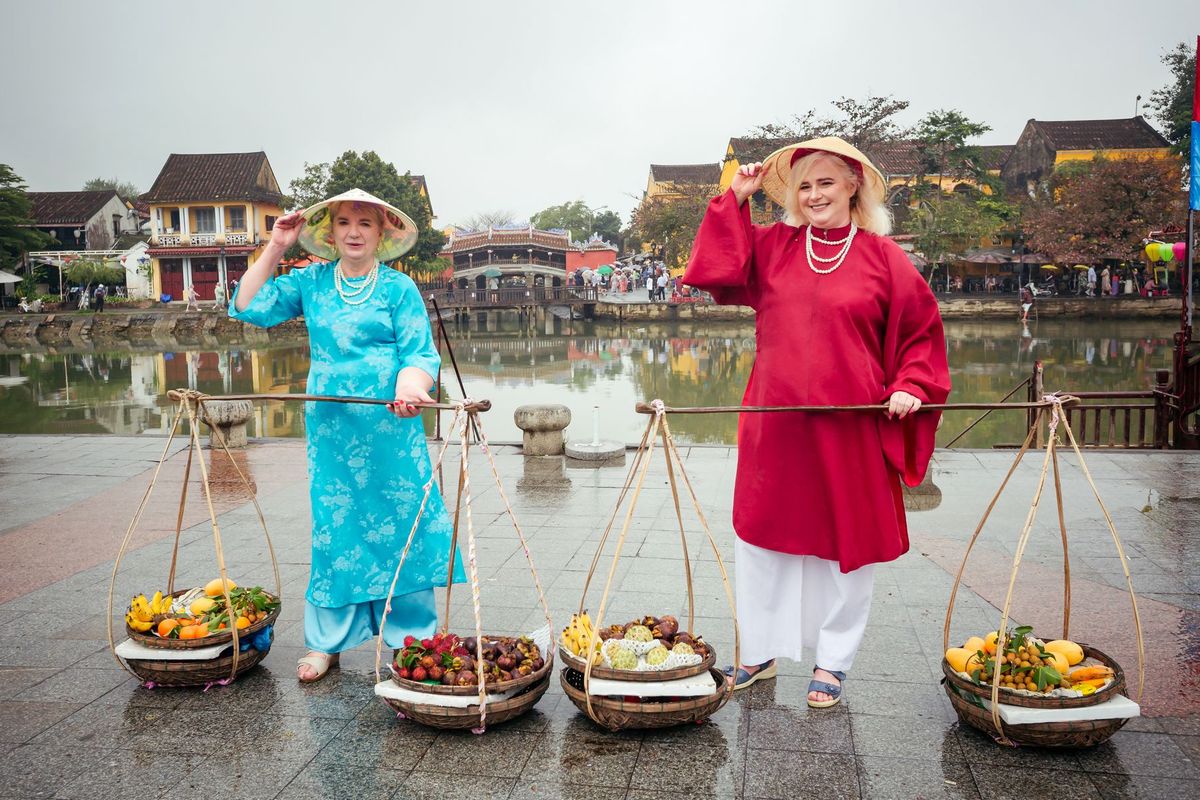
Lantern light, tailor shops, and soup that tastes like the town itself.
At dusk the lanterns come on all at once, red, orange, yellow, reflecting in the Thu Bon river while motorbike horns fade and someone nearby is grilling something on a charcoal grate the size of a shoebox. Hoi An's Ancient Town is genuinely old, a 15th-century trading port where Japanese merchant houses and Chinese assembly halls sit shoulder to shoulder on streets too narrow for cars.
Our honest take
Hoi An is genuinely beautiful but it knows it. The Ancient Town entrance ticket system feels transactional, tailor touts are relentless, and July-August brings both floods and tourist peak simultaneously. Go in March. Eat cao lau for breakfast. Get one thing tailored, it's worth it if you allow two fittings.
Why go
- Cao lau is a dish that exists almost exclusively here, thick rice noodles, pork, herbs, a broth made from ash-soaked water from a single well in town
- A tailor can make a quality linen shirt or dress in 24 hours for 300,000-600,000 VND ($12-24), allow time for a second fitting or it won't fit
- Cycling out past the town into rice paddies and vegetable gardens at 7am before the heat sets in, genuinely quiet, genuinely lovely
Skip if you can
- Ancient Town after 11am on weekends, the streets are shoulder-to-shoulder tourists and the atmosphere evaporates; go at dawn instead
- The Japanese Covered Bridge itself, overrun, tiny, underwhelming up close. It photographs better from the bank opposite
- Cheap tailor shops on the main tourist drag, rushing a suit for $40 produces a $40 suit
Things to do
Where locals eat
Hoi An's signature noodle dish and found almost nowhere else: thick noodles (traditionally made with water from specific old town wells), slices of char siu-style pork, crisp croutons, herbs, and just a little broth. Chewier and drier than pho.
Morning Glory in the Old Town (chef Ms Vy), or a dedicated cao lau spot like Cao Lau Ba Le
Delicate translucent shrimp dumplings shaped like roses, topped with crispy shallots, a Hoi An specialty historically made by a single family.
White Rose Restaurant, the long-running source of the dish in Hoi An
Central-Vietnam banh mi with local pâté, herbs, and house sauces, often cited among the best in the country.
A well-known banh mi counter in the Old Town
Turmeric-tinted rice cooked in chicken stock, topped with shredded poached chicken, herbs, and pickles, a local staple distinct from Hainanese versions.
A com ga specialist in the Old Town
Costs
Per person, per day on the ground, lodging, food, local transport and activities. Excludes international flights (see Getting there).
Ancient Town entrance tickets: 120,000 VND ($5, covers 5 heritage sites). Cao lau: 45,000-70,000 VND ($2-3). Cooking class: 350,000-700,000 VND ($14-28). Lantern boat: 100,000-150,000 VND ($4-6).
Getting there
Where to stay
Walk to lanterns and restaurants, some street noise until midnight
Beachfront guesthouses, quieter, need a bike to reach the old town
Local neighbourhood, cheaper, five-minute walk to Ancient Town, genuine quiet
Good to know
- Flooding is serious. October to November the Ancient Town streets can be knee-deep in water; check forecasts
- Motorbike theft is common, always use the lock provided and park at monitored lots
- Sun is brutal March to August, hat, sunscreen, and a midday rest are not optional
- Tap water is not drinkable; ice in reputable restaurants is fine, roadside stalls, less certain
Prices, visa rules, and transport details may change. Always verify with official sources before booking. Last updated: July 2026.