Zanzibar
Tanzania, Africa
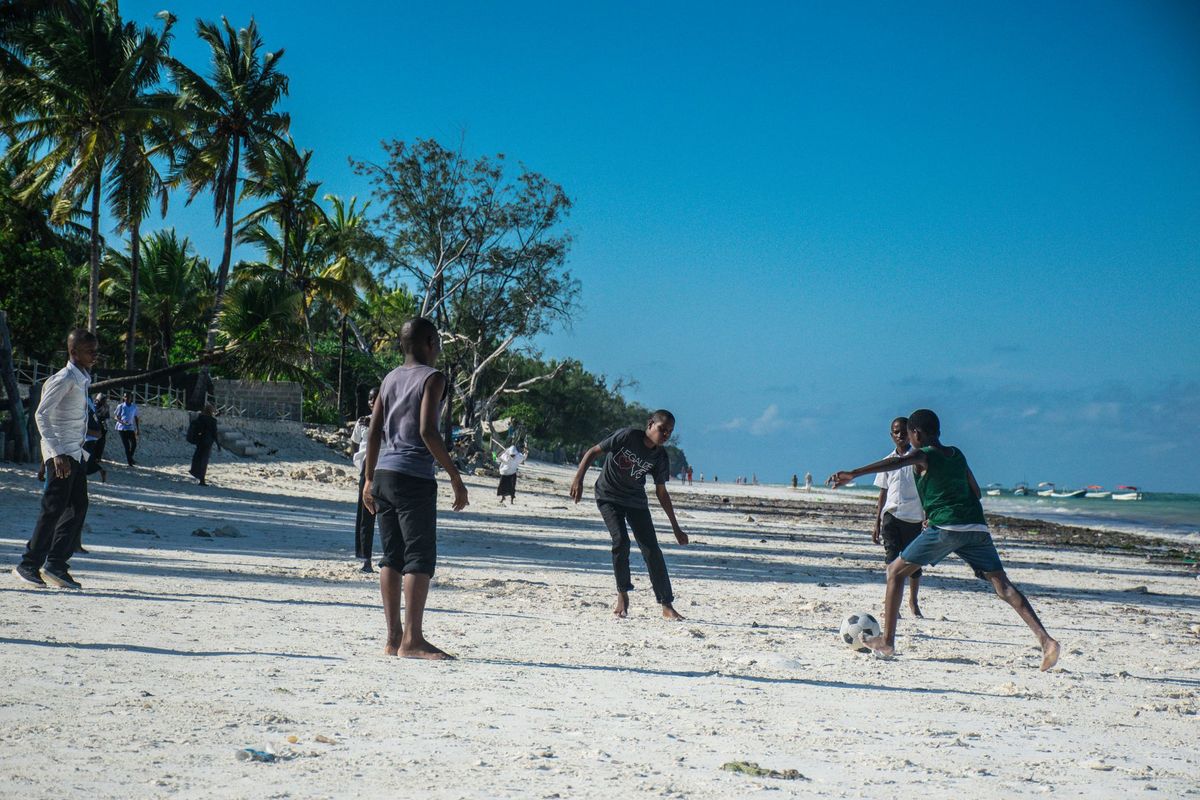
Spice-scented alleyways, Arab architecture, and a turquoise sea.
The smell hits first, cloves and cardamom and something faintly rotten from the fish market two streets over. Stone Town's alleyways are so narrow that laundry from opposing windows nearly touches overhead, and the carved wooden doors are so ornate they look like they belong in a museum. Outside the old city, the Indian Ocean is warm enough to feel like a bath and shallow enough to walk out fifty metres.
Our honest take
Zanzibar is genuinely beautiful but increasingly two-tiered, tourist prices in Stone Town have doubled, and beach resorts isolate you from any real local life. The beaches in the north are worth it; the overpriced seafood BBQs at Forodhani Gardens are not. Go in July, not December, when it's cheaper and drier.
Why go
- Stone Town at 6am before tour groups arrive, the call to prayer echoes off carved doors and fishermen are dragging catches up from the harbour
- Snorkelling at Mnemba Atoll puts you in water with hawksbill turtles, reef fish, and occasional dolphins, visibility regularly hits 20 metres
- A half-day spice farm tour north of Stone Town is 90 minutes of someone handing you leaves, bark, and pods to smell and taste, nutmeg, vanilla, ylang-ylang, all growing in the same acre
Skip if you can
- Forodhani Gardens night market, was a local institution, now overpriced tourist trap with mediocre grilled seafood at $20+ plates and aggressive vendor pitching
- Blue Safari Group sunset dhow cruises in peak season, overcrowded party boats with weak cocktails; find a smaller local operator at the harbour instead
- Beach resort all-inclusives on the east coast. Paje and Jambiani are prettier but the March-May seaweed farming season leaves the shoreline impractical for swimming
Things to do
Where locals eat
Stone Town's seafront comes alive at night with grilled seafood skewers, octopus, and lobster tossed in spices, the island's signature evening eating, set among the crowds and lantern light.
Forodhani Gardens night market, Stone Town (agree prices before ordering)
Not a pizza at all, a thin dough folded around egg, meat or veg (and a sweet Nutella-banana version), fried on a flat iron. The market's most famous street snack.
A Zanzibar-pizza stall at Forodhani Gardens
A tangy, turmeric-yellow soup piled with bhajia, potato, crispy bits, and chutneys, the Swahili-Indian street bowl that gives 'Zanzibar mix' its name.
A Stone Town street stall
Zanzibar is the Spice Island, its pilau (spiced rice with meat) and biryani carry cardamom, clove, and cinnamon grown right there. A genuine taste of the island's history.
A Swahili restaurant in Stone Town
Costs
Per person, per day on the ground, lodging, food, local transport and activities. Excludes international flights (see Getting there).
Spice farm tour: $20-30 per person. Prison Island entry: $5. Grilled fish at local restaurant: 15,000-25,000 TZS ($6-10). Mnemba snorkel trip: $60-80.
Getting there
Where to stay
Atmospheric, walking distance to everything historic, noisy at night, humidity is real
Best swimming beach, lively bar scene, no tidal sandbar problem, higher-end resorts
Kitesurfing hub, backpacker guesthouses alongside boutique places, tidal flats at low tide
Good to know
- Petty theft in Stone Town alleyways after dark, stick to lit streets and don't carry valuables
- Malaria is present year-round, take prophylaxis and use DEET in evenings
- Dress conservatively outside beach areas. Zanzibar is majority Muslim, shoulders and knees covered in Stone Town
- Water taxis and ferries between Dar es Salaam and Zanzibar have a poor safety record, take the fast ferry (Kilimanjaro Ferries or Azam) and avoid overloaded vessels
Prices, visa rules, and transport details may change. Always verify with official sources before booking. Last updated: July 2026.