Mount Kilimanjaro
Tanzania, Africa
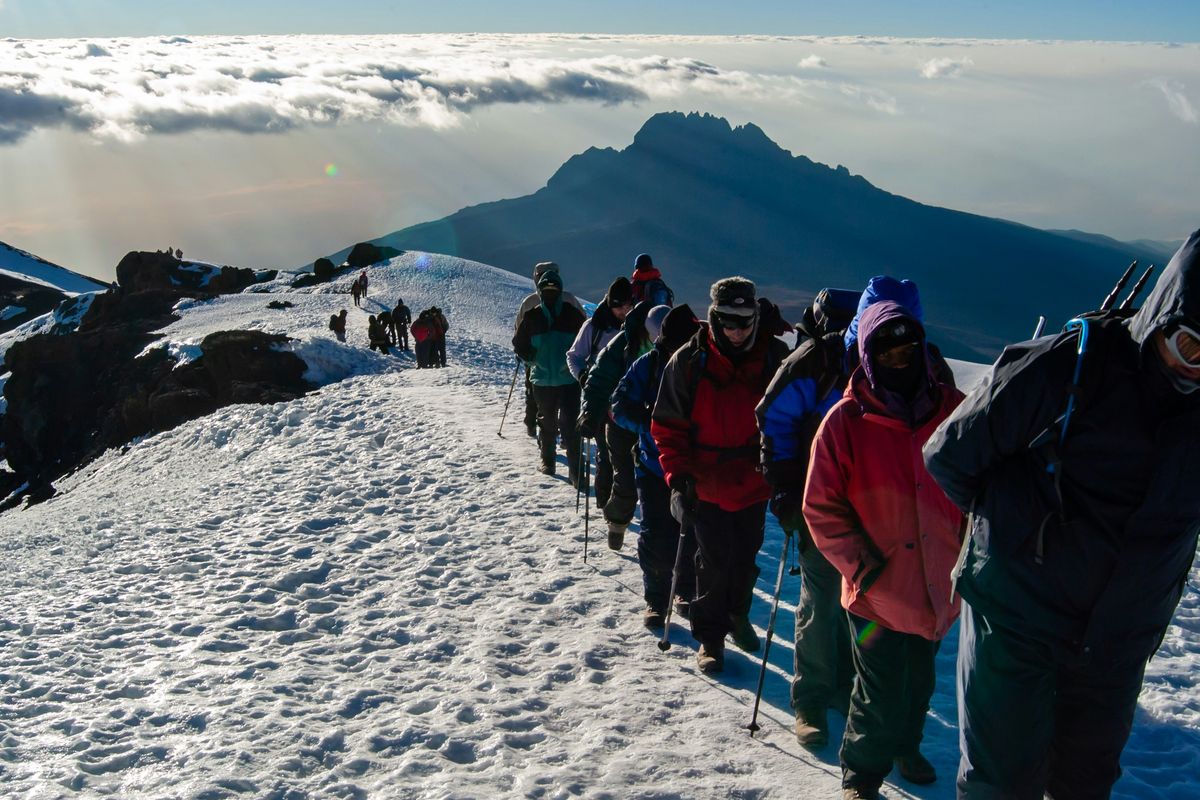
The roof of Africa, no ropes, no crampons, just altitude, willpower, and one of Earth's great walks.
Africa's highest peak and the world's tallest free-standing mountain, a dormant volcano rising 5,895 metres from the Tanzanian plains, climbable without technical gear but demanding enough to humble anyone who underestimates it.
Our honest take
Kilimanjaro is not a technical climb, you won't need ropes or ice axes, but the altitude makes it genuinely hard. About 35% of trekkers don't summit because of altitude sickness, not fitness. The key decisions: pick the right route (Machame or Lemosho for scenery and acclimatization, not Marongu), go for 7+ days (the extra day doubles your summit odds), and choose a reputable operator who pays porters fairly. Budget operators cut corners on safety and staff welfare. It's expensive, $2,500-5,000 all-in, but this isn't a trip to cheap out on. The summit sunrise, when you get it, is a once-in-a-lifetime moment.
Why go
- One of the Seven Summits that doesn't require mountaineering experience, just fitness and mental toughness
- Five climate zones in one trek: rainforest, heath, moorland, alpine desert, arctic summit
- The sense of achievement is real, you earn this one step by painful step at altitude
Skip if you can
- Marangu Route ('Coca-Cola Route'), shortest but lowest summit success rate and least scenic
- 5-day itineraries, not enough acclimatization time, sets you up for failure
- Budget operators under $1,800, they underpay porters and cut safety corners
Things to do
Costs
Per person, per day on the ground, lodging, food, local transport and activities. Excludes international flights (see Getting there).
Park fees alone are ~$700-1,000 depending on route and days. Tips for guides/porters: budget $200-400 total. All-inclusive packages include park fees, guides, porters, food, camping gear, and transfers.
Getting there
Where to stay
Main staging town at the base. Stay here the night before and after your trek. Quiet, local, good coffee.
Larger city 1.5 hours away. More hotels and restaurants, but further from the mountain. Better if combining with a safari.
Camping in tents provided by your operator. No lodges on most routes (Marangu has huts). Sleeping bags rated to -15C recommended.
Good to know
- Altitude sickness is the primary risk, symptoms start around 3,500m. Diamox (acetazolamide) helps prevention; discuss with your doctor before the trip
- Go slow (pole pole), this is the single most important advice. Your guides know the pace; trust them
- Drink 3-4 litres of water per day on the mountain. Dehydration worsens altitude symptoms
- Operators carry emergency oxygen and evacuation stretchers. Confirm this before booking.
Prices, visa rules, and transport details may change. Always verify with official sources before booking. Last updated: July 2026.
Reviews
No reviews yet
Visited Mount Kilimanjaro? Be the first to share your experience.