Swiss Alps
Switzerland, Europe
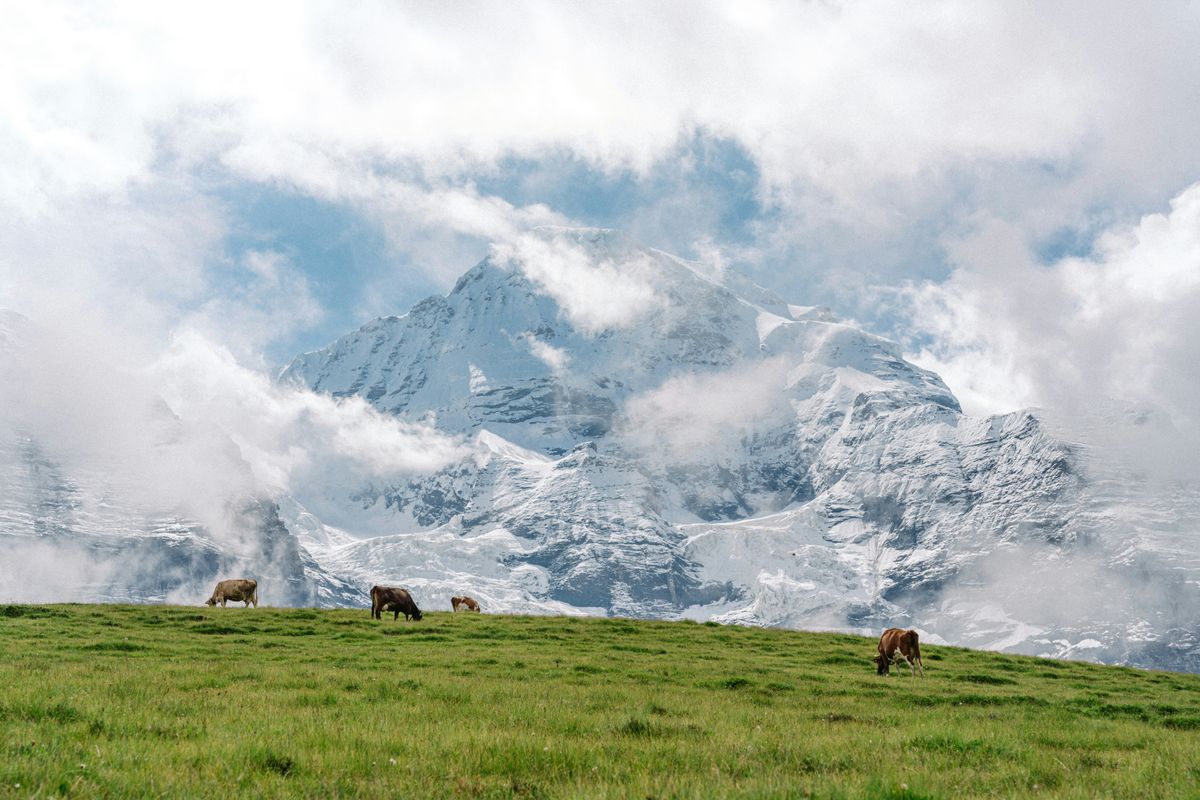
Where every valley looks like a screensaver and the trains run with terrifying punctuality.
A landscape that somehow exceeds every postcard you've ever seen, jagged peaks, glacial lakes the colour of liquid turquoise, and mountain railways engineered into cliff faces that would be reckless anywhere else.
Our honest take
Switzerland is expensive, genuinely, eye-wateringly expensive, and the Swiss Alps are no exception. A basic lunch costs $25, a cable car ride $60-80, and a hotel room in Zermatt can easily hit $400/night in peak season. But: the infrastructure is flawless. Trains arrive to the second. Mountain lifts are safe and modern. Trails are perfectly marked. You're paying for a level of polish and reliability that doesn't exist elsewhere. The trick is to base yourself in valleys (Lauterbrunnen, Grindelwald) rather than resort towns, buy a Swiss Travel Pass, and eat at grocery store delis and self-catering apartments. Do that and the Alps become manageable, still expensive, but justifiably so.
Why go
- The scenery is not exaggerated. Lauterbrunnen Valley and the Matterhorn genuinely look like that
- The best train journeys in the world (Glacier Express, Bernina Express, Jungfrau Railway) are here
- Hiking infrastructure is unmatched, 65,000 km of marked trails, all graded and signposted
Skip if you can
- Jungfraujoch if visibility is poor, check the webcam first; you'll pay $200+ to see fog
- Interlaken's adventure-sports packages, overpriced tourist traps targeting gap-year crowds
- Driving between towns, the trains are faster, cheaper (with a pass), and scenic. Parking is a nightmare.
Things to do
Where locals eat
Melted Gruyère and Vacherin (half-and-half) with white wine and garlic, dipped with bread, a winter mountain staple, not a summer dish.
Whymper-Stube in Zermatt (beneath the historic Hotel Monte Rosa), a long-standing fondue and raclette spot
Cheese melted at the wheel and scraped over boiled potatoes, gherkins, and pickled onions, communal alpine eating.
An alpine chalet restaurant
Crisp fried grated-potato cake, originally a farmer's breakfast, now a side or base for eggs and cheese across German-speaking Switzerland.
A traditional Swiss-German restaurant
The 'alpine herdsman's macaroni', pasta, potato, cheese, and cream topped with fried onion, served with apple sauce. Hearty high-altitude comfort food.
A mountain hut (berghaus) reachable by cable car or trail
Costs
Per person, per day on the ground, lodging, food, local transport and activities. Excludes international flights (see Getting there).
Swiss Travel Pass pays for itself in 2-3 train rides. Grocery stores (Coop, Migros) have hot food counters, a $10 lunch vs $30 at a restaurant. Tap water is safe and free everywhere.
Getting there
Where to stay
Valley of 72 waterfalls. Quiet base for Jungfrau region, cheaper than Grindelwald or Wengen. Stunning setting.
Car-free village at the foot of the Matterhorn. Premium but iconic. Best for the classic alpine experience.
Lakeside city with easy access to Pilatus and Rigi. Good balance of urban convenience and mountain proximity.
Good to know
- Extremely safe country, virtually no crime risk for tourists
- Mountain weather changes fast, always carry a rain layer and check forecasts before hiking
- Altitude: Jungfraujoch is 3,454m, take it slow if you're not acclimatized, headaches are common
- Trail rescue is covered by the Swiss Travel Pass or Rega insurance (~$45/year)
Prices, visa rules, and transport details may change. Always verify with official sources before booking. Last updated: July 2026.
Reviews
No reviews yet
Visited Swiss Alps? Be the first to share your experience.