Cusco
Peru, South America
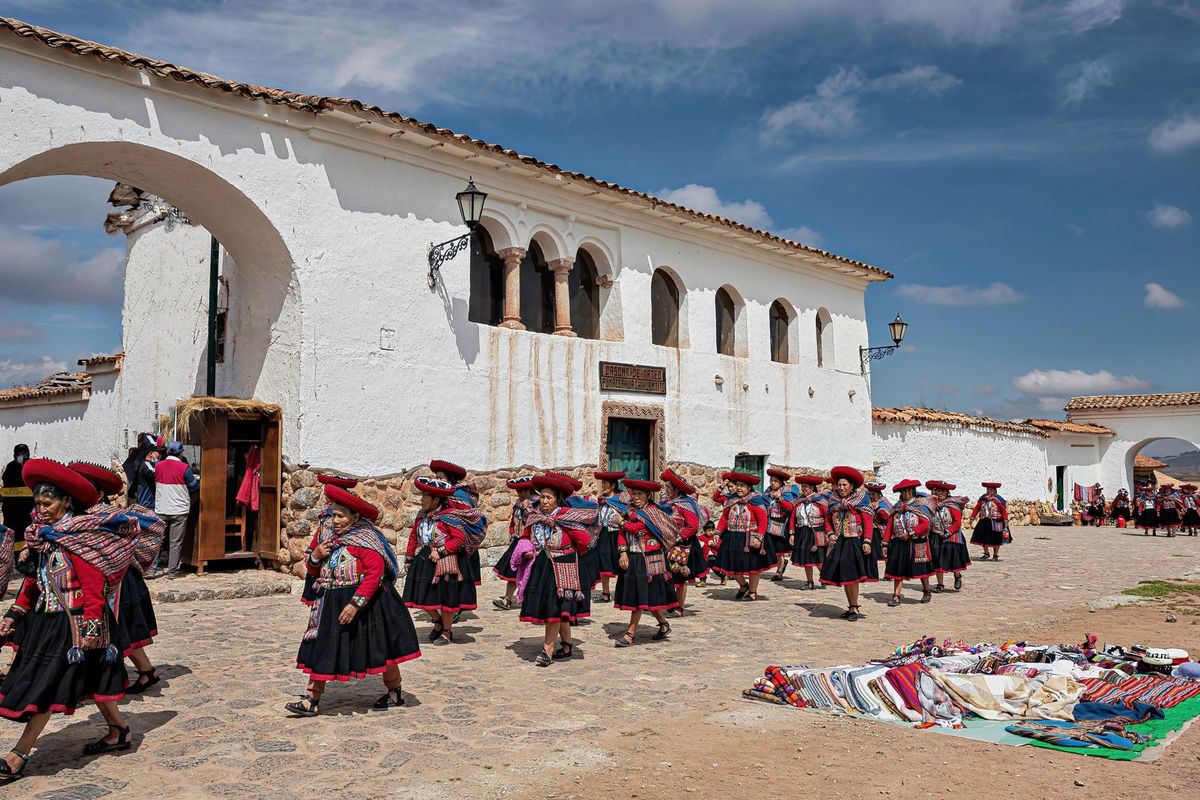
Inca foundations, Spanish churches, and the world's most famous ruin.
Your first hour in Cusco is spent sitting down. The altitude hits at 3,400 metres and the city doesn't apologise for it. Once you adjust, you notice the layers: Inca stone walls at the base of Spanish colonial churches, women in embroidered skirts selling coca leaves in the Plaza de Armas, and a constant smell of woodsmoke drifting down from hillside neighbourhoods where the tourist trail ends.
Our honest take
Cusco is a real city that has been partially converted into a tourist machine, and that tension is always visible. The historic centre is worth every minute. Beyond it, the Sacred Valley and Machu Picchu require planning and booking months ahead. The altitude is a genuine obstacle, not a minor inconvenience.
Why go
- Sacsayhuamán sits above the city: massive stone blocks fitted without mortar, no tools that modern archaeology agrees on, and views over Cusco's terracotta rooftops at dusk
- The Sacred Valley's Pisac market on Sundays is a genuinely local affair, ceramics and textiles and quinoa varieties you can't name, not just tourist craft stalls
- Machu Picchu remains extraordinary even crowded. The 6am light on the terraces, before the tour buses fully arrive, earns every complication of getting there
Skip if you can
- Pisco sours on your first night. Alcohol at altitude accelerates soroche badly. Wait 24 hours.
- The Inca Rail 'Vistadome' observation car if you're on a budget. The regular seats see the same mountains for half the price.
- Plaza de Armas restaurants on the square itself. You pay 3x for the view and the food is worse. Walk two blocks into San Blas.
Things to do
Where locals eat
Roasted or fried guinea pig, a genuine Andean ceremonial dish that predates the Spanish, not a tourist gimmick. Gamey, with crisp skin; usually needs ordering a day ahead.
Pachapapa in San Blas, a traditional Andean restaurant (order cuy 24h ahead)
Fried pork chicharrón, caldo de gallina (hen soup), and fresh juices from the market stalls, this is where Cusqueños actually eat, not the plaza fronts.
A food stall inside Mercado San Pedro
Peru's Chinese-influenced stir-fry: beef, onion, and tomato with soy and a splash of vinegar, served over fries AND rice. Comfort food across the country.
A local Cusco restaurant off the main square
Chicha morada is a sweet purple-corn drink (non-alcoholic); chicha de jora is the fermented corn beer of the Andes, sold at picanterías flying a red flag or balloon.
A traditional picantería (look for the red marker) or any local restaurant for chicha morada
Costs
Per person, per day on the ground, lodging, food, local transport and activities. Excludes international flights (see Getting there).
Boleto Turistico (multi-site pass): 130 PEN ($35). Set lunch menu (menu del dia): 15-25 PEN ($4-7). Train to Aguas Calientes: 100-200 PEN ($27-54) one way depending on class.
Getting there
Where to stay
Cobbled hillside neighbourhood above the centre, quieter, boutique guesthouses, artisan workshops on the doorstep
Maximum convenience, walking distance to everything, noisy on weekends, higher prices
Lower altitude than Cusco so easier to sleep, rural setting, requires a car or colectivo to reach the city
Good to know
- Altitude sickness is real. Spend your first full day resting, drink coca tea, avoid alcohol and heavy meals.
- Book Machu Picchu entry and train tickets at least 3 months ahead. Caps on daily visitors mean last-minute is genuinely unavailable in high season.
- Petty theft in crowded markets. Keep phones in front pockets and bags zipped and worn across the chest.
- Tap water is not safe to drink. Bottled water only.
Prices, visa rules, and transport details may change. Always verify with official sources before booking. Last updated: July 2026.