Kathmandu
Nepal, Asia
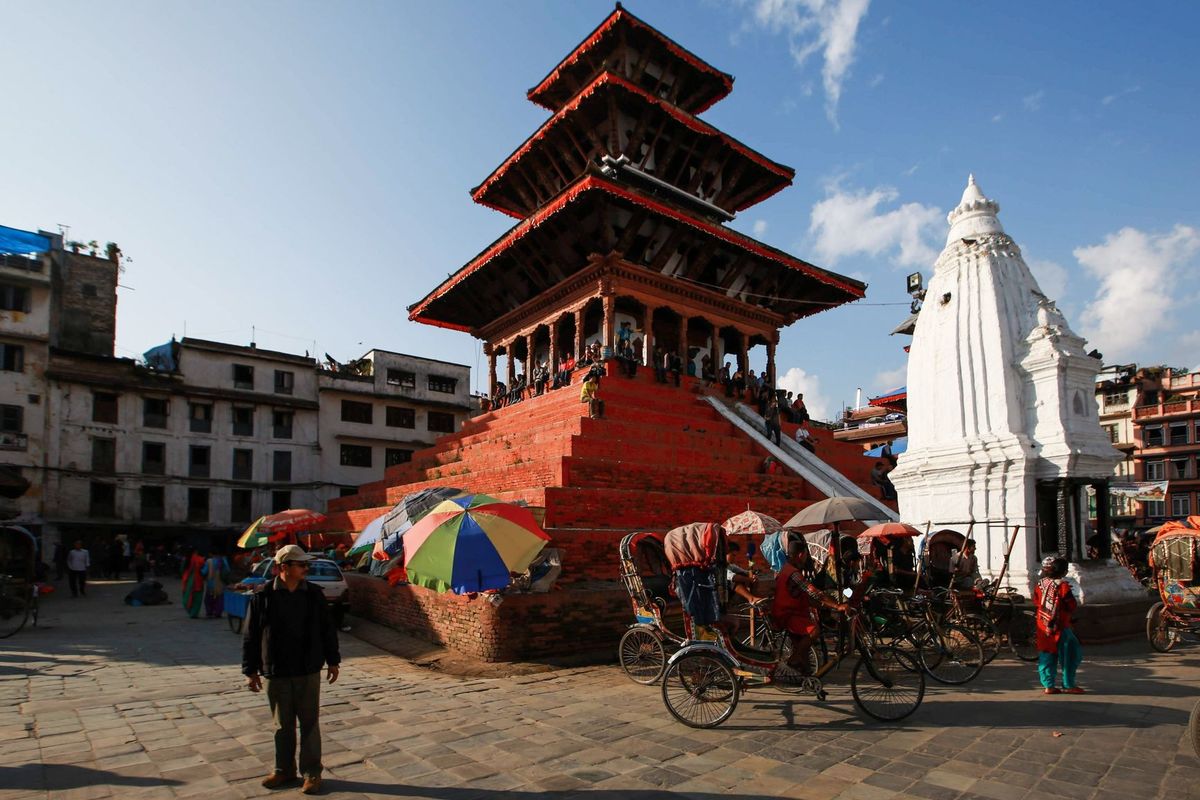
Gods, smoke, noise, and the Himalayas on the horizon.
Marigold garlands and incense smoke hang over Pashupatinath's cremation ghats while motorcycles queue three-deep on the streets behind you. Kathmandu is ancient and chaotic in the same breath, medieval temple squares that survived earthquakes sitting next to concrete rebuild, sadhus painting their foreheads in orange light, and a city that never fully quiets because someone always has a puja to run.
Our honest take
Kathmandu is deeply rewarding but genuinely hard work. The traffic is among the worst in Asia, air pollution is serious, and the 2015 earthquake left visible damage that hasn't fully healed. But the religious culture here is still living and practiced daily, not performed for tourists. Give it three days minimum.
Why go
- Pashupatinath at dusk during cremation ceremonies. Hindu rites conducted openly on the riverbank, sobering and real in a way most sacred sites aren't
- Boudhanath stupa at dawn: monks in burgundy robes doing kora, butter lamps flickering, prayer wheels spinning in steady rhythm before the tour groups arrive
- Bhaktapur Durbar Square, 13km east, the medieval city the 2015 earthquake hit hardest, now partially restored, with potters' squares and newari architecture that Kathmandu's old city has largely lost
Skip if you can
- Thamel restaurant rooftops with 'mountain view' menus, overpriced dal bhat and Himalaya views obscured by smog most days; eat where locals eat on the side streets
- Swayambhunath if you have mobility issues, it's 365 steep steps with aggressive monkeys and no real alternative route
- Kathmandu Durbar Square as your only durbar, post-earthquake reconstruction is ongoing and the square feels depleted; Bhaktapur is worth the taxi fare
Things to do
Where locals eat
Nepali steamed or fried dumplings filled with buffalo, chicken, or vegetables, served with a tomato-sesame achar. The everyday Kathmandu snack.
A local momo shop in the city
Lentil soup, rice, vegetable curry, and pickle, the twice-daily Nepali staple, usually refillable. 'Dal bhat power, 24 hour,' as the trekking saying goes.
A traditional Nepali bhojanalaya (eatery)
A Newari platter of beaten rice (chiura) with spiced meats, bean pancakes (bara), and pickles, the indigenous cuisine of the Kathmandu Valley, found in Newari neighbourhoods.
Krishnarpan at Dwarika's Hotel for a multi-course Newari feast in a heritage setting, or a local Newari eatery in Patan for the everyday version
The 'king of yoghurt', a rich, sweet buffalo-milk curd set in clay pots, a specialty of Bhaktapur near Kathmandu.
A sweet shop in Bhaktapur
Costs
Per person, per day on the ground, lodging, food, local transport and activities. Excludes international flights (see Getting there).
Dal bhat at local restaurant: 250-400 NPR ($2-3). Pashupatinath entry (foreigners): 1000 NPR ($7.50). Boudhanath entry: 400 NPR ($3). Taxi across city: 300-500 NPR ($2.50-4).
Getting there
Where to stay
Backpacker hub, every guesthouse and trekking agency you need, noisy until midnight
Embassy district, calmer, better air, slightly further from sights but worth the quiet
Tibetan neighbourhood, peaceful mornings, excellent momos, 20 minutes from city centre
Good to know
- Air pollution is genuinely bad October to February, bring or buy an N95 mask, especially if you have respiratory issues
- Traffic has no real rules; cross roads with a local in front of you or find pedestrian islands
- Altitude is 1,400m, not high enough for altitude sickness, but noticeable if you're coming from sea level
- Power cuts (load shedding) still occur occasionally, carry a power bank and check if your hotel has backup
Prices, visa rules, and transport details may change. Always verify with official sources before booking. Last updated: July 2026.
Reviews
No reviews yet
Visited Kathmandu? Be the first to share your experience.