Tulum
Mexico, North America
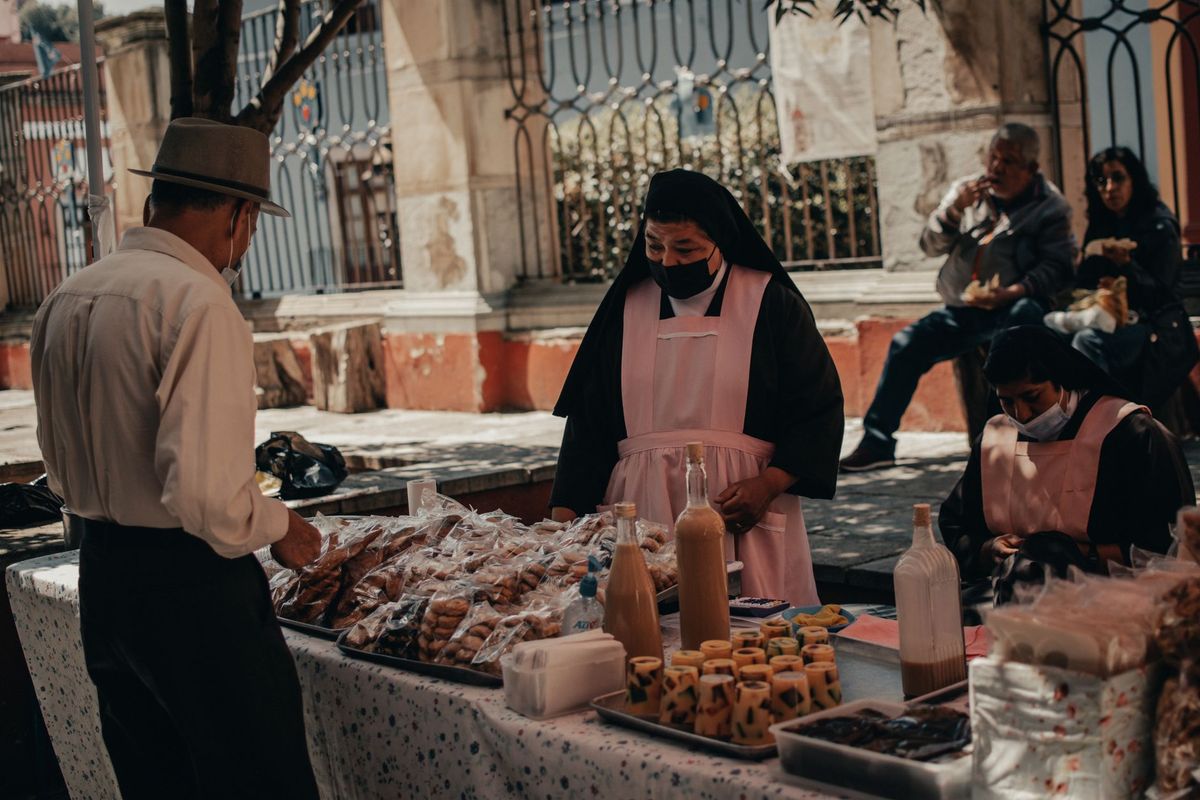
Cenotes, cliff ruins, and a wellness scene that costs a small fortune.
The cenotes smell like cold stone and jungle. You lower yourself into water so clear you can see your feet twenty metres down, surrounded by tree roots and stalactites. Above ground, Tulum splits into two places: a genuine Maya cliff-top ruin with Caribbean views that earns every visitor, and a tourist strip that has turned a fishing village into a wellness brand selling $18 cocktails and mediocre vegan bowls.
Our honest take
Tulum has been discovered, photographed, and priced accordingly. The natural stuff, cenotes and jungle and the ruins at dawn, is genuinely extraordinary. The hotel zone strip is overpriced and self-conscious. You can still have a great trip here; just ignore most of what Instagram told you to do.
Why go
- Cenote Dos Ojos has two interconnected caverns filled with crystal freshwater. Snorkelling through the light beams at 9am, before the tour buses arrive, is as close to surreal as nature gets.
- The Tulum ruins sit on a 12-metre cliff above the Caribbean. It is the only major Maya site directly on the sea, and the view from the top has not been overrated.
- Sian Ka'an biosphere reserve: three hours south by boat through mangrove channels, manatees, and a coastline with no hotels on it.
Skip if you can
- The Tulum Hotel Zone restaurants: $20 pasta and $22 smoothie bowls served by staff in linen shirts who will not make eye contact. Eat in Tulum Pueblo instead.
- Cenote Ik Kil near Chichen Itza: massively overcrowded, buses every 20 minutes, the water looks green. Drive another 10 minutes to anything less Instagrammed.
- Renting a car from the small lots on the Hotel Zone strip: no insurance, inflated prices, no recourse when things go wrong. Book through a major agency or use the ADO bus.
Things to do
Where locals eat
Yucatán's signature dish: pork slow-roasted in achiote and sour-orange, wrapped in banana leaf, served in tacos or tortas with pickled red onion and habanero. Traditionally a Sunday food.
A local taqueria in Tulum Pueblo (town), not the beach road, for an honest price
Yucatecan antojitos, panuchos are stuffed fried tortillas topped with turkey or chicken; salbutes are the puffier, un-stuffed cousin. Street and market food.
A market stall or taqueria in Tulum Pueblo
Caribbean-coast fish and shrimp ceviche cured in lime, light, cheap, and abundant away from the resort strip.
A seafood spot in Tulum Pueblo
A Yucatán street dessert: a crisp rolled crepe filled with Edam cheese and Nutella or cajeta, sweet-savoury, made to order from a cart in the evening.
An evening street cart in the town square
Costs
Per person, per day on the ground, lodging, food, local transport and activities. Excludes international flights (see Getting there).
Cenote entry: 200-400 MXN ($10-20). Tulum ruins: 95 MXN ($5). Tacos in Pueblo: 25-40 MXN ($1.25-2) each. Hotel Zone cocktail: 250-400 MXN ($12-20).
Getting there
Where to stay
Local restaurants, cheaper hotels, real taco stands, 10-minute bike ride to beach
Beach access, jungle-style boutique hotels, expensive, noisy generators at night
Newer residential development between town and beach, quieter, mid-range options, walkable
Good to know
- The new Tulum-Cancun highway has reduced travel time but speeding buses and trucks are a serious hazard. Do not drive at night.
- Cenotes require a life jacket even for strong swimmers. Currents in cave systems are deceptive.
- Petty theft targets unlocked scooter storage and beach bags. Leave nothing visible.
- Jellyfish season peaks July to September in the Caribbean. Reef shoes and rash guards help.
Prices, visa rules, and transport details may change. Always verify with official sources before booking. Last updated: July 2026.