Fiji
Fiji, Oceania
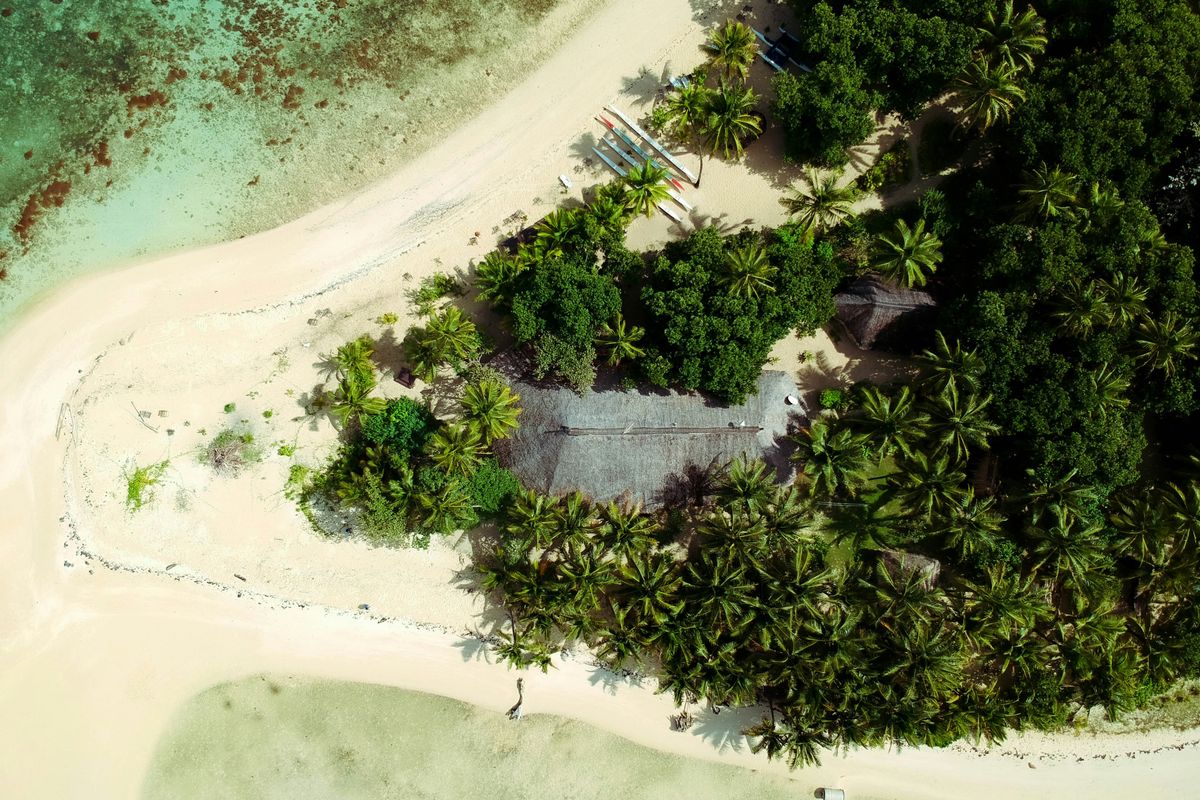
333 islands, absurd water clarity, and kava before sunset.
The water off the Mamanuca Islands is the kind of clear that makes you suspicious, you can see the shadow of your boat on the seafloor from fifteen metres up. Fiji is 333 islands, most of them tiny and forested, wrapped in coral reefs that attract divers who keep coming back for years. On shore, the pace is deliberate, the kava ceremonies are serious, and the resorts eat most of your money before breakfast.
Our honest take
Fiji is genuinely beautiful but the resort economy means a lot of budget goes nowhere near the actual islands or culture. Stay a night in a village homestay to cut through the postcard version. The outer islands are far better than Nadi, which is just a transit city with expensive taxis.
Why go
- The soft coral reefs around the Mamanuca and Yasawa islands are some of the most intact in the Pacific, visibility routinely hits 25-30 metres
- Village kava ceremonies in the highlands are not tourist performances, you sit cross-legged for an hour and drink something that tastes like muddy water and makes your lips go numb
- The Yasawa Island chain by overnight Yasawa Flyer ferry: 60-plus small islands, backpacker bures, and near-empty beaches you share with the boat captain's cousin
Skip if you can
- Port Denarau Marina restaurants, overpriced, aimed entirely at resort guests, mediocre food you could eat better for a quarter of the price in Nadi town market
- Day trips to 'private' sandbar islands in the Mamanucas, packed with people from six different resorts simultaneously, nothing private about it
- Nadi as a destination, it's an airport city, useful for one night only before heading to the islands
Things to do
Where locals eat
Fiji's ceviche: raw fish (often mahi-mahi or walu) cured in lime and coconut cream with chilli, onion, and tomato, served in a coconut shell. Fresh, cooling, and genuinely local.
A local restaurant or a village lovo feast
A feast cooked in an underground earth oven, meat, fish, cassava, and taro wrapped and steamed over hot stones for hours. Often served at village visits and resort culture nights.
A village lovo experience or a resort culture night
Not food but essential: kava, a mildly sedative drink made from ground pepper-plant root, is central to Fijian social life. Accepting a bowl (bilo) is a mark of respect.
A village kava ceremony (accept when offered)
Fiji's large Indo-Fijian community built one of the best everyday curry-and-roti scenes in the Pacific, goat, fish, or vegetable curries scooped up with fresh roti, cheap and generous. More than anything, this is what Fijian towns do best.
A busy local curry house on the main street of Nadi town (look for the plain places full of locals at lunch)
Costs
Per person, per day on the ground, lodging, food, local transport and activities. Excludes international flights (see Getting there).
Yasawa Flyer ferry pass (14-day): FJD 370 ($160). Village meal: FJD 15-25 ($7-11). Dive (2 tanks): FJD 230-280 ($100-120). Entry to village areas: FJD 10-20 sevusevu gift (kava root).
Getting there
Where to stay
Closest to Nadi, boat transfers under 1h, mix of backpacker and mid-range resorts on decent beaches
Remote, cheaper bure guesthouses, local family-run, the authentic island experience but a 5-8h ferry from Nadi
Reef walking, good value resorts, driving distance from Nadi, not as isolated but far cheaper than the outer islands
Good to know
- Cyclone season runs November to April, check forecasts and travel insurance coverage carefully if visiting in shoulder months
- Reef shoes are essential for reef walking and beach entry in shallow areas, coral cuts get infected fast in tropical water
- Respect village dress codes, cover shoulders and knees when entering any village, no hats or sunglasses when greeting elders
- Tap water is safe in Nadi and major resorts but check before drinking in rural or outer island areas
Prices, visa rules, and transport details may change. Always verify with official sources before booking. Last updated: July 2026.