Medellín
Colombia, South America
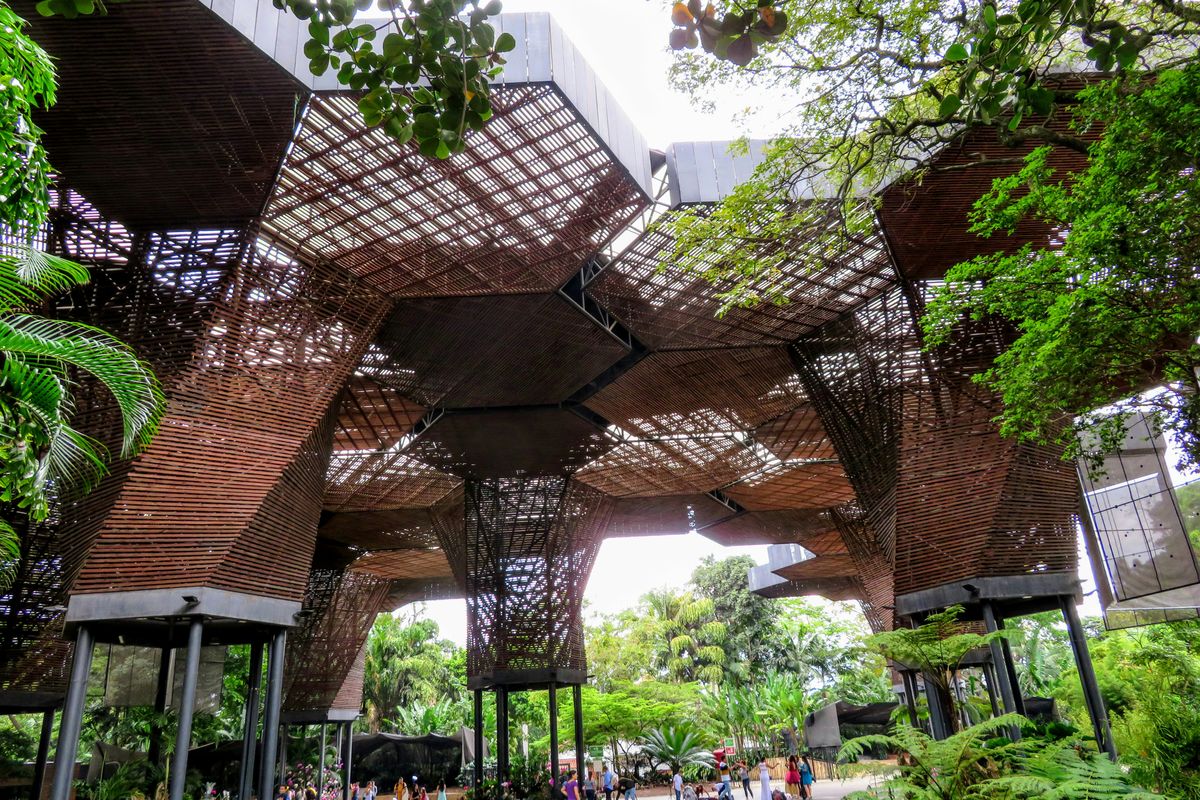
A city that rebuilt itself, visibly, and wants you to see the work.
The cable cars glide up over rooftops so densely packed they look like terracotta scales on a hillside. Down in El Poblado, brunch spots and coworking spaces have colonised what used to be a narco neighbourhood. Medellín sits in a valley at 1,500 metres, which keeps it cooler than you expect. The people are almost aggressively friendly, and the flower festival will stop traffic for a week.
Our honest take
Medellín is genuinely fascinating, a city that turned urban violence into urban design experiments. But El Poblado has been so thoroughly expat-ified that it sometimes feels like a Latin American theme park for digital nomads. Push beyond it. The city rewards the curious and punishes the lazy tourist.
Why go
- Guatapé: a two-hour bus ride to a reservoir town painted in friezes, with a 740-step rock climb to views that flatten the whole landscape
- The Metrocable system connects hillside comunas that were once no-go zones. Riding Line K at dusk, watching the city light up below, is a proper urban moment
- Feria de las Flores in early August: locals carry silletas of flowers strapped to their backs in a parade that dates to 1957. It's chaotic, colourful, and absolutely not designed for tourists
Skip if you can
- Narco tours that use Pablo Escobar as entertainment. They're disrespectful to victims' families and several operators have faced protests from locals. Skip them.
- Parque Lleras bar strip on a Saturday night: overpriced drinks, aggressive touts, and a crowd that flew in from Miami. The vibe is generic.
- El Poblado restaurants for every meal. The neighbourhood charges a 30-40% gringo markup. Laureles and Envigado have better food for half the price.
Things to do
Where locals eat
The vast Antioquian platter: beans, rice, chicharrón, chorizo, fried egg, arepa, avocado, and more. A farmworker's meal built for a hard day, one plate easily feeds two.
Mondongo's in Laureles or Poblado, a Medellín family institution since 1976
The Antioquian arepa is thin, plain, and griddled, a neutral base eaten with butter and cheese or alongside eggs, different from the stuffed coastal versions.
A local café or market at breakfast
A hearty soup of chicken or fish with plantain, yuca, and corn, Sunday and family food across Colombia, robust in the paisa region.
A traditional restaurant, best at weekend lunch
Medellín is the gateway to Colombia's coffee axis. Locals drink a small black 'tinto' all day; specialty cafés in El Poblado/Laureles serve the good single-origin stuff.
A specialty café in El Poblado or Laureles
Costs
Per person, per day on the ground, lodging, food, local transport and activities. Excludes international flights (see Getting there).
Bandeja paisa lunch: 18,000-25,000 COP ($4.50-6). Metro ride: 950 COP ($0.23). Guatapé day trip: 80,000-120,000 COP ($20-30) including bus and entry.
Getting there
Where to stay
Safest, most tourist infrastructure, restaurants on every block, but noisy and overpriced
Residential, local restaurants, quieter streets, better value, 15 minutes from Poblado
Neighbouring municipality, authentic neighbourhood feel, good food scene, easy metro access
Good to know
- El Poblado and Laureles are generally safe. Avoid walking to communes on hillsides without a guide, especially after dark.
- Phone snatching is common. Keep phones in pockets on the street, not in your hand.
- Scopolamine (burundanga) druggings are a real risk at bars. Never accept drinks from strangers or leave your drink unattended.
- Use InDriver or Cabify apps instead of hailing street taxis, particularly at night.
Prices, visa rules, and transport details may change. Always verify with official sources before booking. Last updated: July 2026.