Amazon Rainforest
Brazil, South America
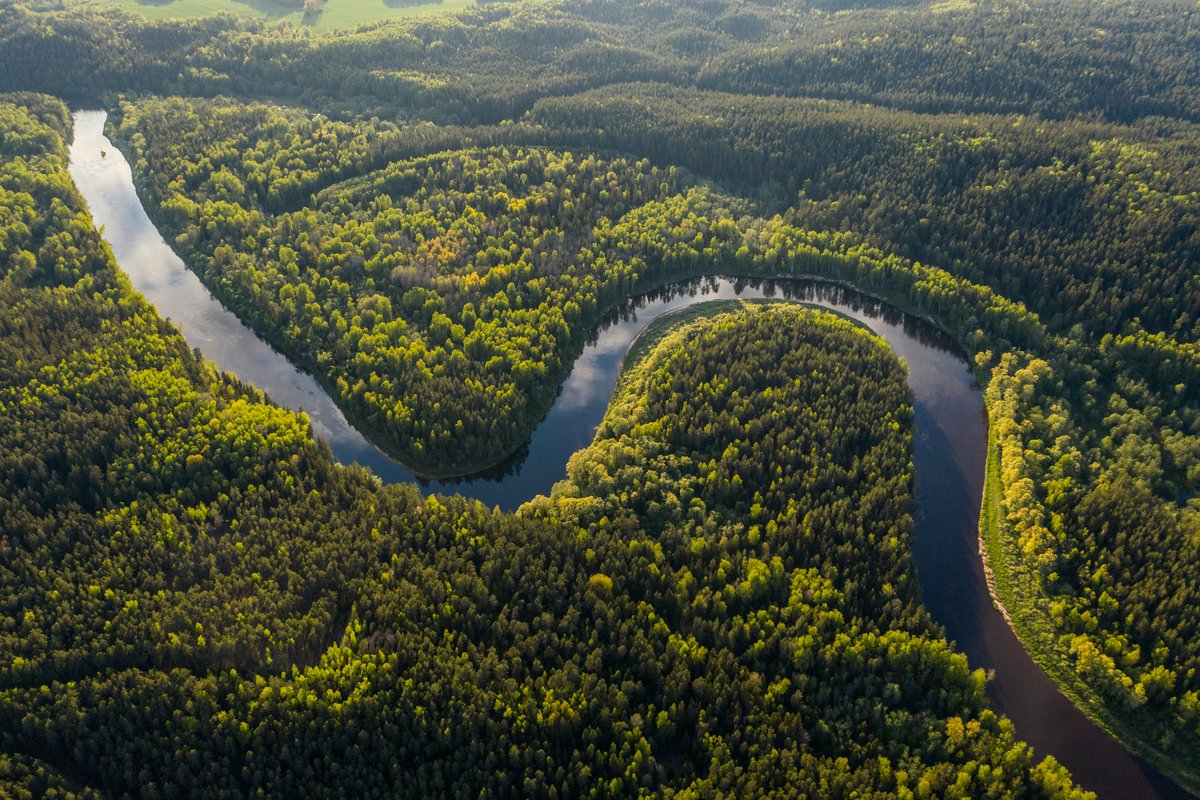
The lungs of the Earth, 10% of all species in one vast, humbling jungle.
The Amazon is the world's largest tropical rainforest, covering over 5.5 million square kilometres and harbouring an estimated 10% of all species on Earth. A journey into the Amazon is a humbling encounter with nature at its most raw and magnificent.
Our honest take
The Amazon is not a comfortable trip. It's hot, humid, buggy, and remote. But it's also genuinely humbling, the scale of the forest, the biodiversity, and the indigenous knowledge are unlike anything else. Go with a reputable lodge, not a budget tour that cuts corners on safety.
Why go
- Biodiversity is staggering, you'll see species that exist nowhere else
- Night jungle walks reveal a completely different world
- Indigenous community visits (when ethical) are deeply educational
Skip if you can
- Ultra-budget tours from Manaus, often unsafe boats, untrained guides
- Expecting to see jaguars easily, they're elusive; set realistic expectations
- Rainy season river trips if you get seasick, water is rough
Things to do
Where locals eat
A hot Amazonian soup of tucupi (fermented manioc broth), jambu (a leaf that numbs the mouth), and dried shrimp, a genuinely unusual regional dish sold from street stalls in Belém and Manaus.
A street tacacá stall or a regional restaurant in an Amazon city
A giant Amazon river fish, firm and mild, grilled or salted, a mainstay protein of riverine communities.
Banzeiro in Manaus, a World's-50-Best Amazonian restaurant known for pirarucu
In the Amazon, açaí is eaten thick, unsweetened, and often savoury, with fish and farinha, nothing like the sweet smoothie bowls abroad. Worth trying it as locals do.
A local eatery in an Amazon city
Cupuaçu, camu camu, graviola, and other Amazon fruits appear as juices and ices, a genuine taste of the forest's biodiversity.
A juice bar or market in an Amazon city
Costs
Per person, per day on the ground, lodging, food, local transport and activities. Excludes international flights (see Getting there).
Most lodges are all-inclusive (meals, guides, transport from Manaus). Tips: $10-20/day for guides.
Getting there
Where to stay
All-inclusive, guided excursions, varying comfort levels
City base, day trips possible but less immersive
On the river, unique experience, wildlife at doorstep
Good to know
- Malaria prophylaxis essential, consult travel doctor 4-6 weeks before
- Yellow fever vaccine required
- Don't swim in unknown waters (piranhas, caimans, parasites)
- Bring industrial-strength insect repellent (DEET 30%+)
- Drink only bottled/purified water
Prices, visa rules, and transport details may change. Always verify with official sources before booking. Last updated: July 2026.
Reviews
No reviews yet
Visited Amazon Rainforest? Be the first to share your experience.